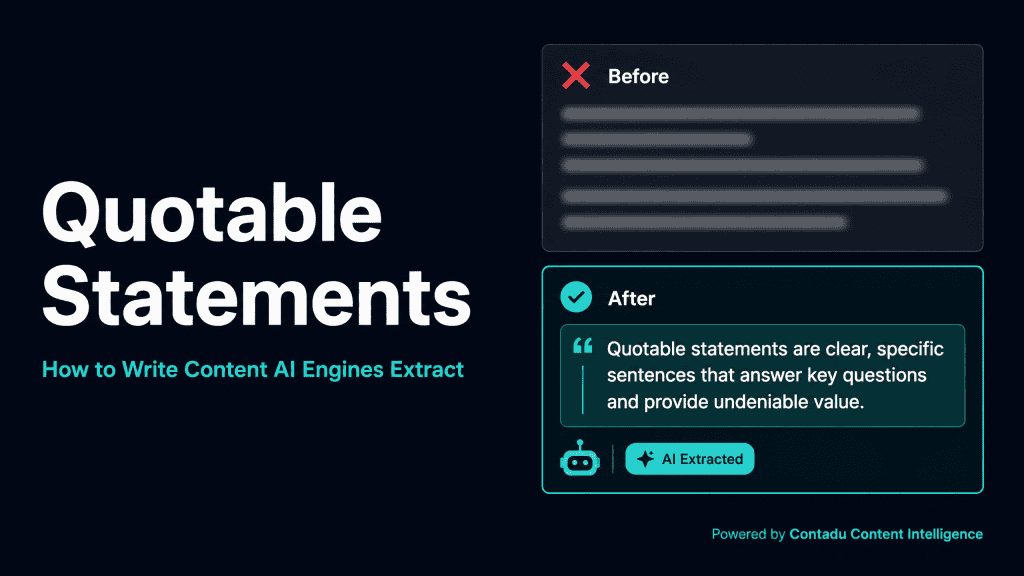
📍 Semantic Summary The Idea: In the era of Generative Engine Optimization (GEO), AI Answer Engines (like ChatGPT and Perplexity) do not just link to your content; they extract it and serve it directly to the user. To control the narrative and secure brand attribution, content marketers must engineer specific, highly extractable sentences known as […]
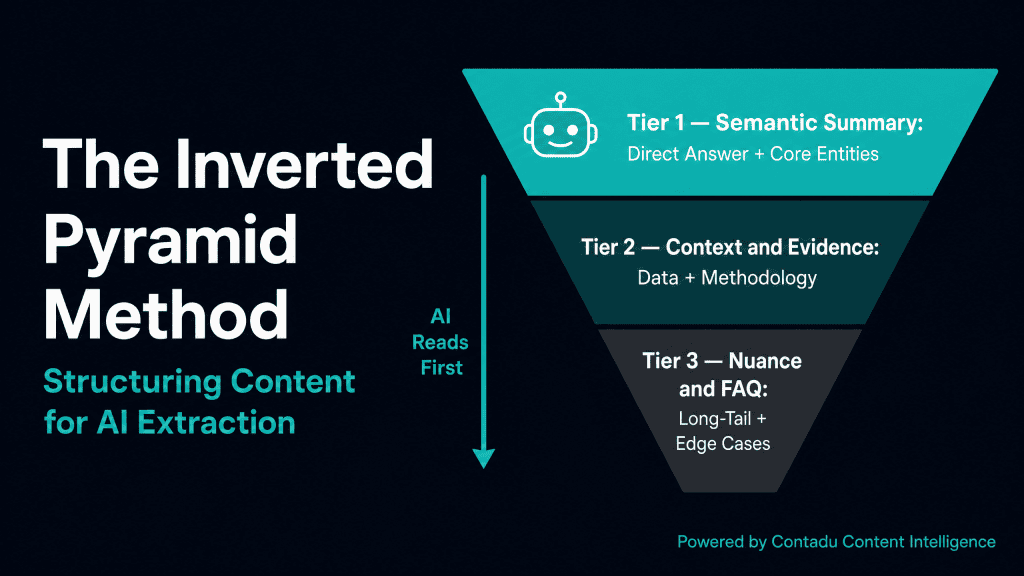
Structuring Content for AI Extraction: The Inverted Pyramid Method.
📍 Semantic Summary Idea: Traditional web content was written to keep users scrolling, often burying the main point at the bottom to increase “Time on Page.” In the era of Generative Engine Optimization (GEO), this approach is fatal. AI Answer Engines like ChatGPT and Perplexity prioritize content structured for rapid data extraction. The most […]
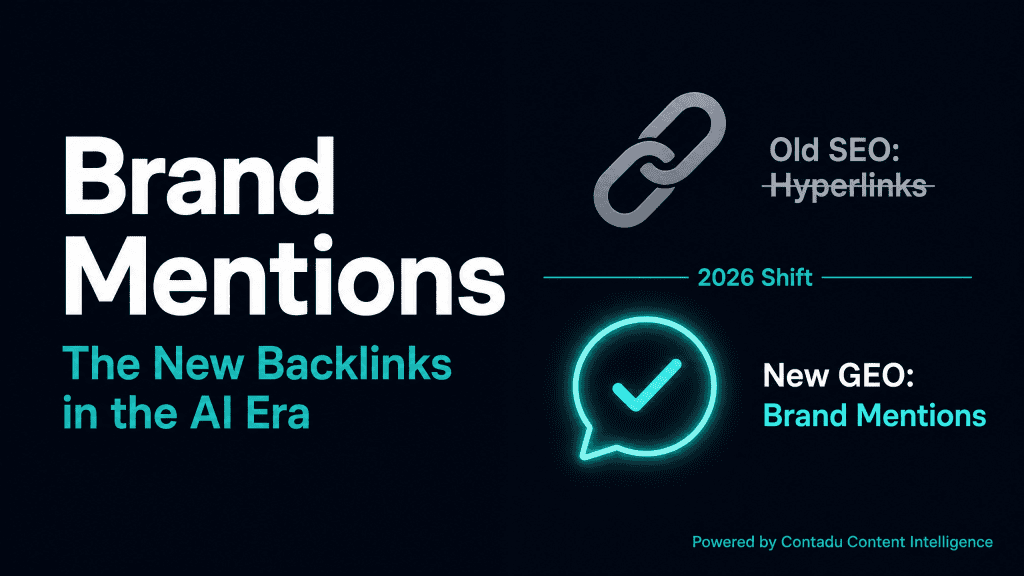
Brand Mentions as the New Backlinks in the AI Era.
📍 Semantic Summary Idea: For two decades, the hyperlink was the fundamental currency of the web. In 2026, Large Language Models (LLMs) have shifted the paradigm. AI Answer Engines do not need a clickable link to understand a relationship; they rely on Co-Occurrence and Entity Salience. Unlinked brand mentions in semantically relevant, high-authority contexts are […]
The Role of Digital PR in LLM Visibility.
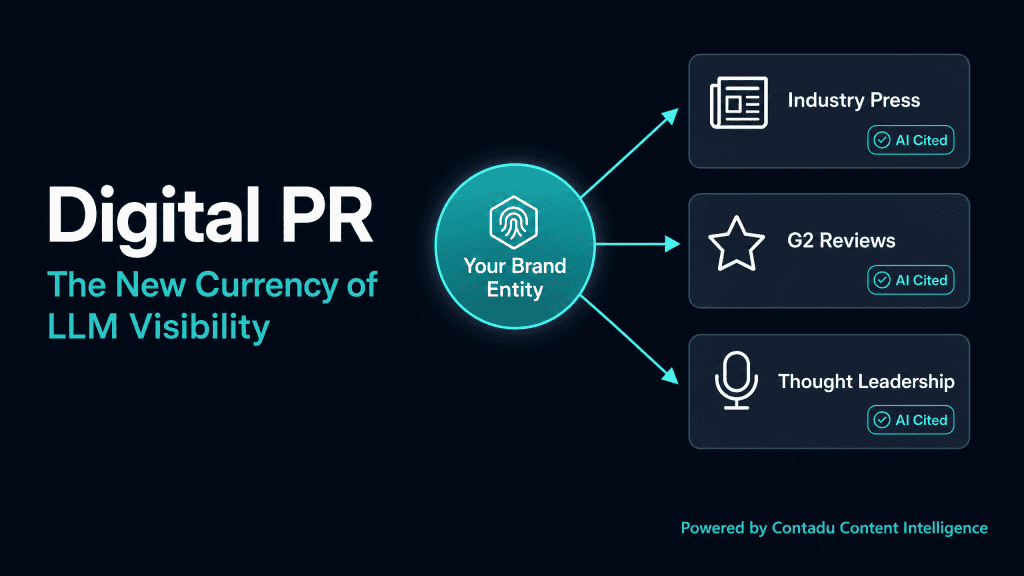
“Listen to this article” 📍 Semantic Summary Idea: Traditional SEO relied on backlinks to build domain authority. In the era of AI Answer Engines (ChatGPT, Perplexity, Claude), the new currency of trust is Entity Salience built through Digital PR. Large Language Models (LLMs) evaluate the credibility of a brand by analyzing its co-occurrence with […]
How to Write Content That AI Overviews Actually Quote.
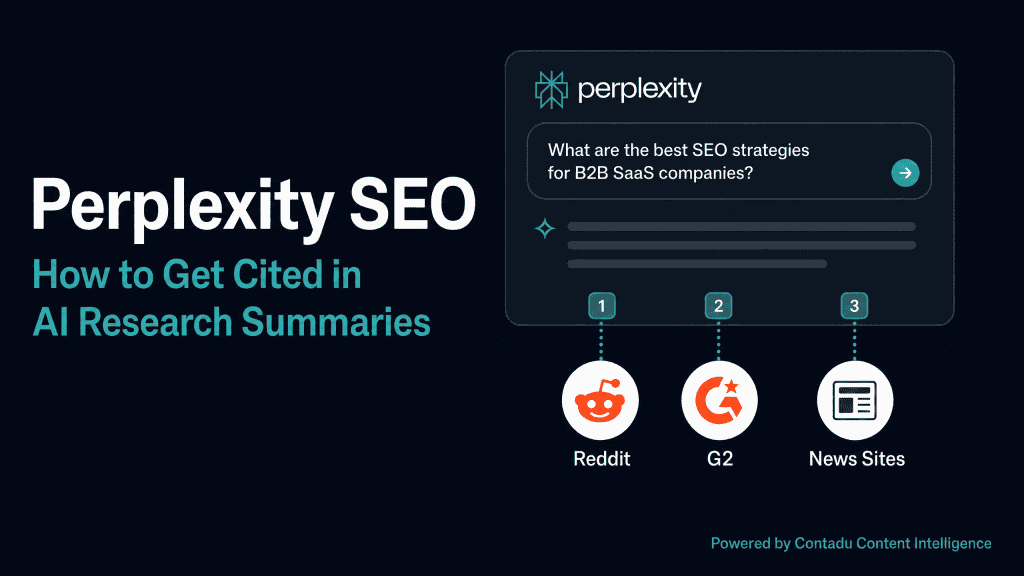
📍 Semantic Summary Idea: Perplexity is fundamentally different from Google and ChatGPT. It is an “Academic” AI Answer Engine that prioritizes verified, third-party sources and earned media over brand-owned content. Perplexity SEO requires a shift from traditional on-page optimization to aggressive digital PR and third-party entity building. Challenge: Most B2B marketers try to rank in […]
Measuring LLM Visibility: Metrics That Matter in 2026.
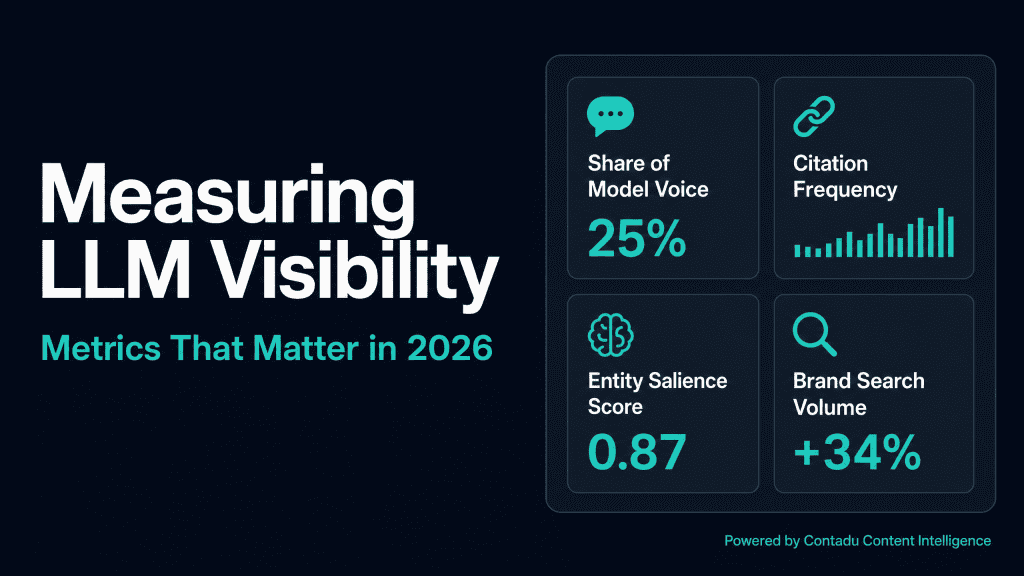
📍 Semantic Summary The Idea: Traditional SEO metrics like search volume, keyword rankings, and organic traffic are insufficient for measuring success in the era of AI Answer Engines. As zero-click searches become the norm, B2B marketers must adopt a new framework: LLM Visibility. The Challenge: How do you measure the ROI of your content when […]
How to Audit Your Website for Entity Gaps.
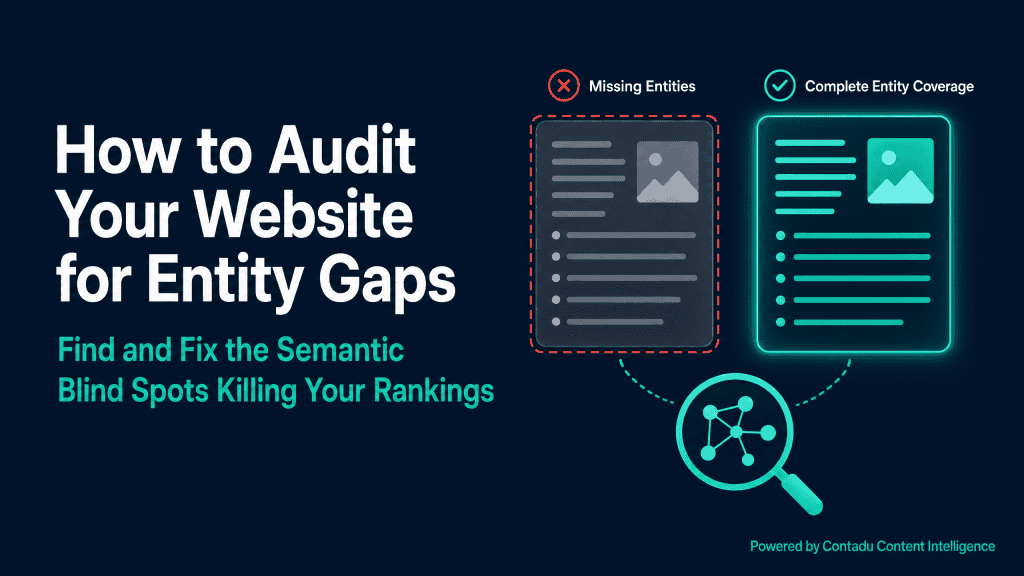
📍 Semantic Summary Idea: Traditional keyword gap analysis is obsolete. To dominate modern search, you must perform an entity gap audit to identify missing semantic nodes in your content. Challenge: Competitors are ranking higher not because they use better keywords, but because their Knowledge Graphs are more complete, covering entities that your website completely ignores. […]
The Local Entity Method: Dominating Regional B2B Search.
📍 Semantic Summary Idea: Local SEO is no longer just about Google Business Profiles and “near me” keywords. For B2B companies, regional dominance requires establishing your brand as a central Local Entity within a specific geographic Knowledge Graph. Challenge: B2B SaaS and service companies often struggle to rank in specific cities or regions because they […]
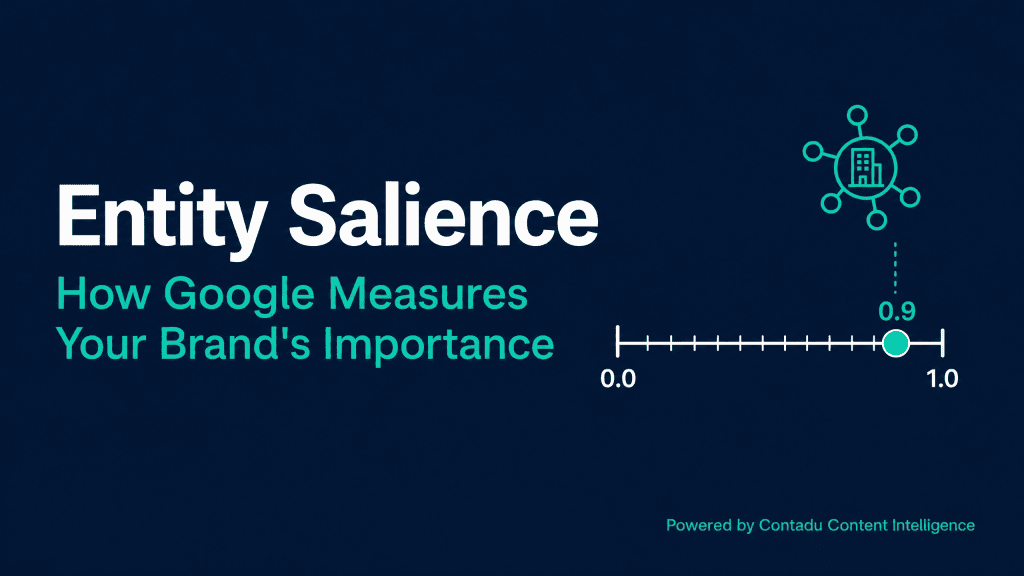
Entity Salience: How Google Measures Your Brand’s Importance.
📍 Semantic Summary Idea: Just mentioning a keyword on a page is no longer enough. Search engines calculate Entity Salience a score that determines how central an entity is to the overall meaning of a text. Challenge: Writers often “sprinkle” target keywords throughout an article without making them the focal point. This results in a […]
Schema Markup 2026: Advanced Tactics for AI Answer Engines.
📍 Semantic Summary Idea: Basic Article and Organization schema are no longer competitive advantages; they are the bare minimum. In 2026, dominating AI answer engines like ChatGPT and Google’s AI Overviews requires advanced Schema markup that nests entities and explicitly defines relationships. Challenge: Most websites rely on automated plugins that generate flat, disconnected structured data. […]