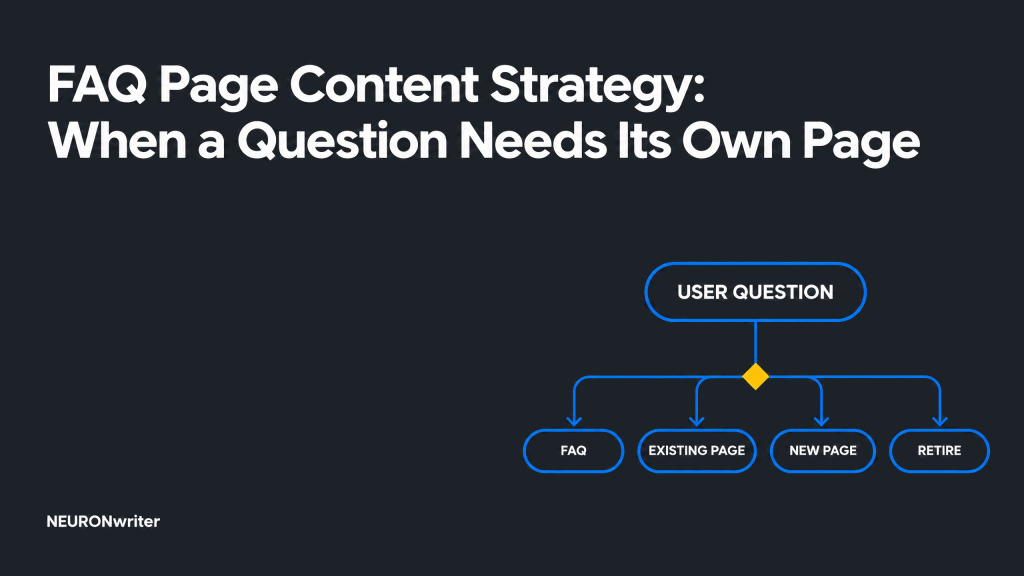
Semantic Summary Idea: FAQ content should route people to the right level of help, not store every answer in one long list. Challenge: Important, changing, or complex answers become hard to find and easy to contradict when they are buried in a generic FAQ section. Summary: Use a simple decision rule to keep a short […]
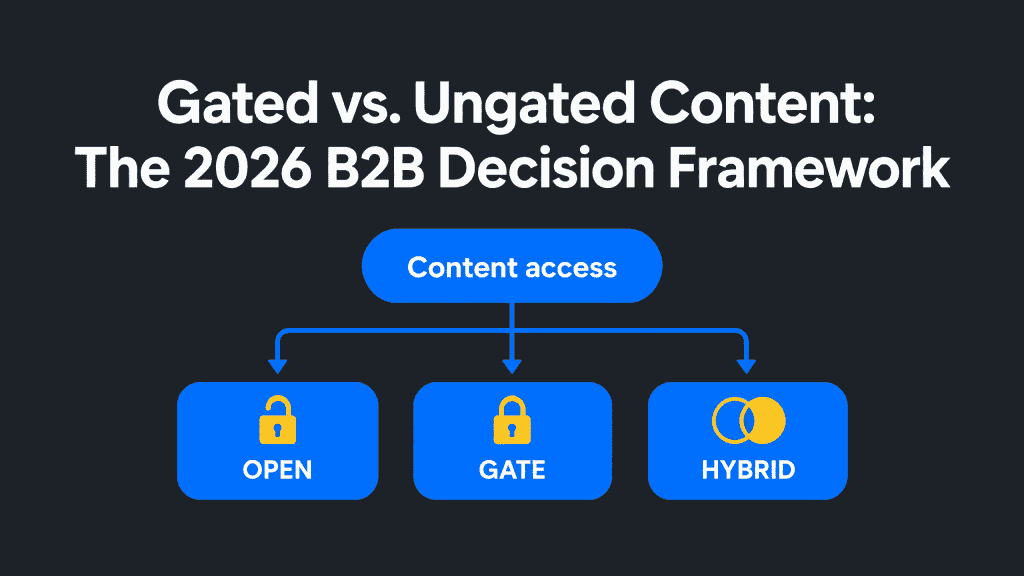
Gated vs. Ungated Content: The 2026 B2B Decision Framework
Semantic Summary Idea: Access rules should match the value of an asset and the decision a reader is trying to make, not a blanket lead-capture target. Challenge: A form can create a measurable download while reducing reach, trust, sharing, and the chance that useful content is discovered. Summary: Use a clear access decision, show enough […]
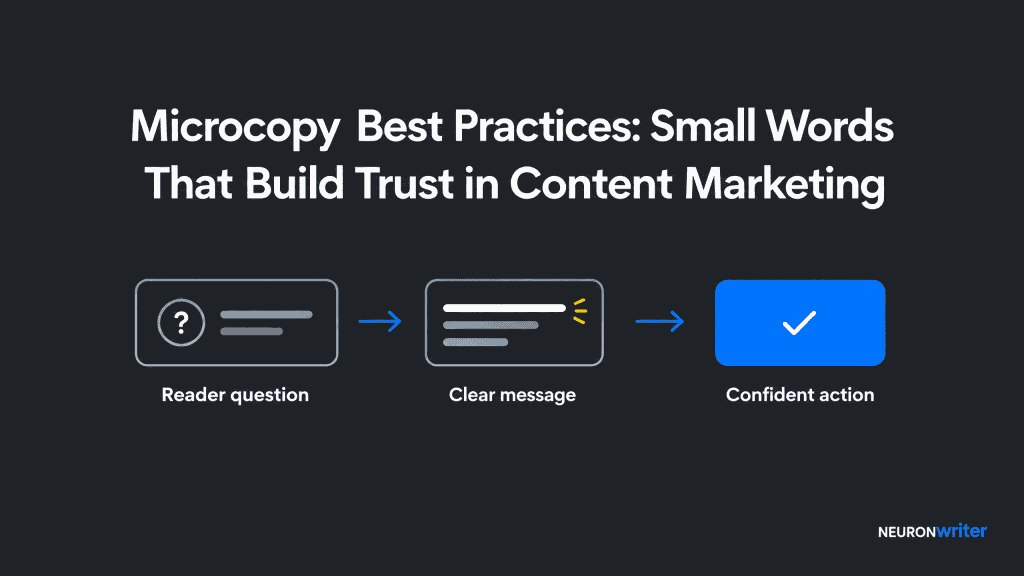
Microcopy Best Practices: Small Words That Build Trust in Content Marketing
Semantic Summary Idea: Microcopy is the small text around an action—such as a button label, form instruction, error message, or confirmation—that tells people what will happen and how to proceed. Challenge: Tiny phrases are often written last, without the reader’s context, accessibility needs, or likely hesitation in mind. This can turn a useful content journey […]
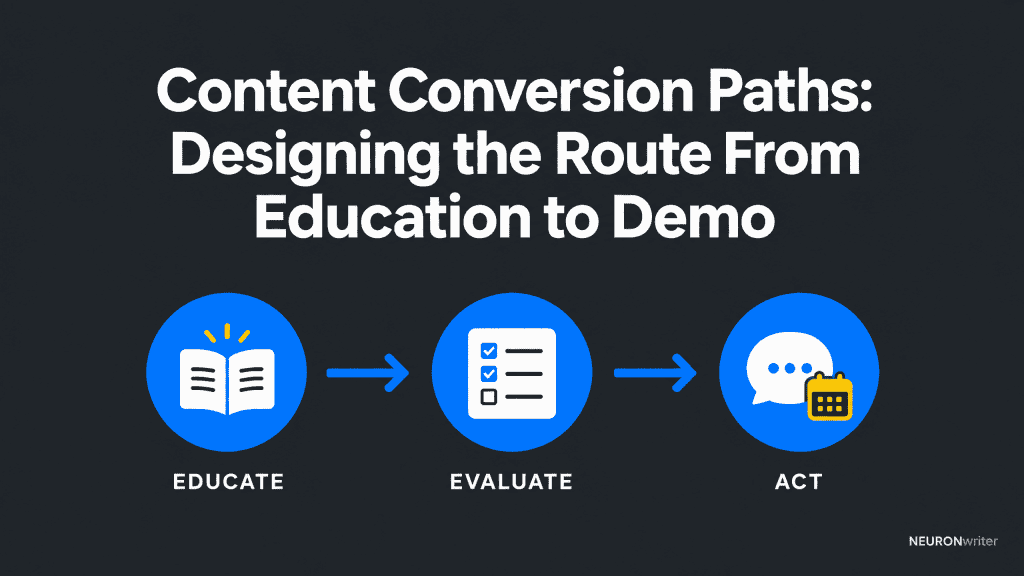
Content Conversion Paths: Designing the Route From Education to Demo
Semantic Summary Idea: A content conversion path gives readers a useful next step that matches the question they are trying to answer, rather than treating every blog visit as an immediate demo opportunity. Challenge: Educational articles often end as dead ends, while overly promotional routes create friction before a reader has enough context to make […]
Interactive Calculator Lead Magnets: How to Build Tools People Actually Use
Semantic Summary Idea: An interactive calculator becomes a useful lead magnet when it helps a prospective customer make a real decision, not when it merely asks for contact details before offering value. Challenge: Teams often build a calculator around what is easy to measure rather than what a buyer needs to understand. The result can be unclear […]
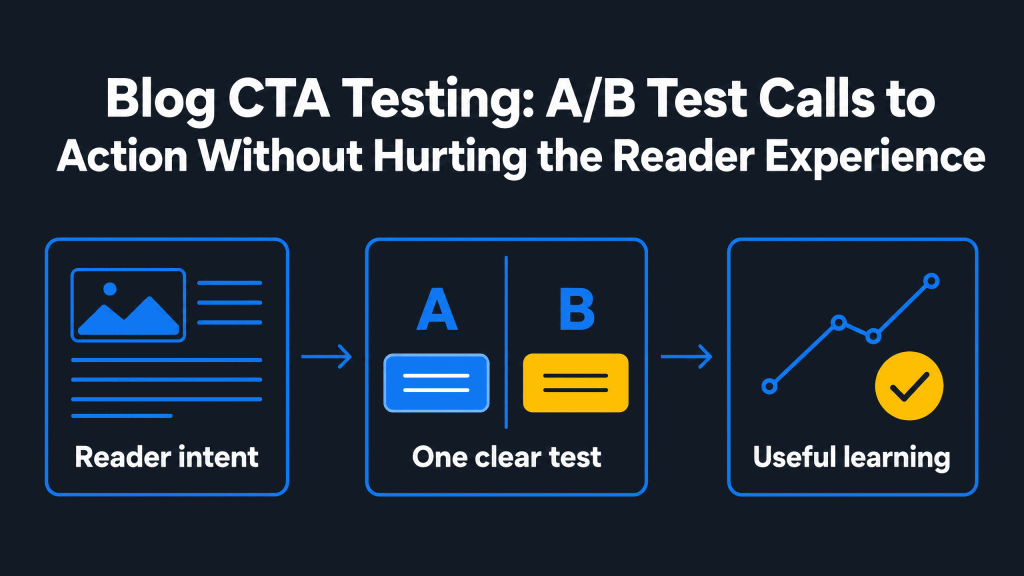
Blog CTA Testing: A/B Test Calls to Action Without Hurting the Reader Experience
Semantic Summary Idea: Blog CTA testing should help a reader take the next useful step, not interrupt the reason they opened the article. Challenge: Teams often test button colour, copy, or placement without first matching the CTA to the article’s intent, setting a single hypothesis, or checking whether an apparent click gain creates lower-quality outcomes […]
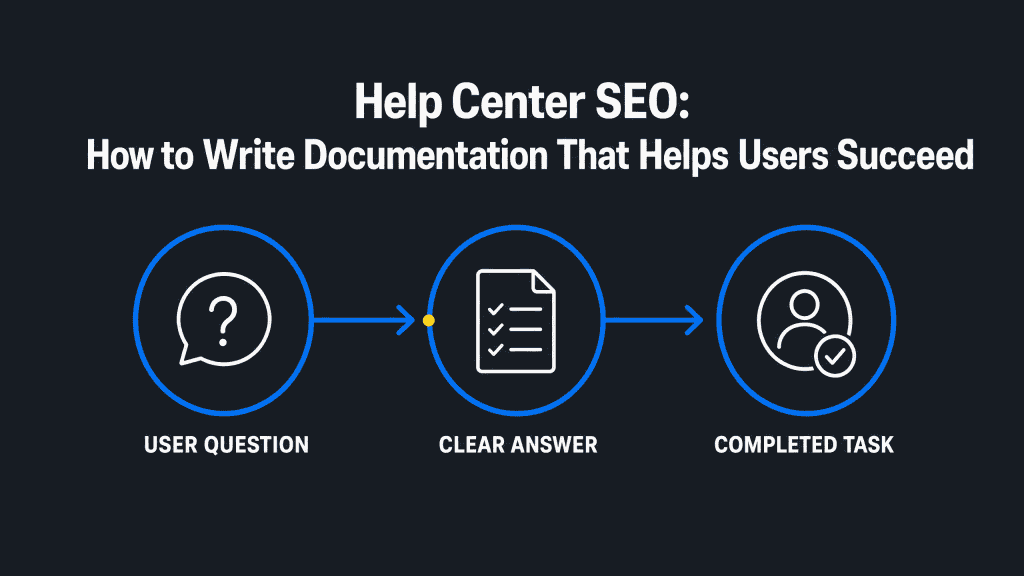
Help Center SEO: How to Write Documentation That Helps Users Succeed
Semantic Summary Idea: Help center SEO works when every article helps a person complete one real task and gives search engines enough clear context to surface the right answer. Challenge: Support documentation often becomes hard to find, hard to scan, inconsistent after product changes, or duplicated across several articles—leaving users to search again or contact […]
SaaS Pricing Page Best Practices: The Anatomy of a High-Converting Page
Semantic Summary Idea: A SaaS pricing page should help a buyer understand the right plan, the value behind the price, and the next action without making them decode a complicated offer. Challenge: Visitors arrive with different levels of product knowledge and can hesitate when plans, feature limits, billing terms, or purchase paths are unclear. Summary: […]
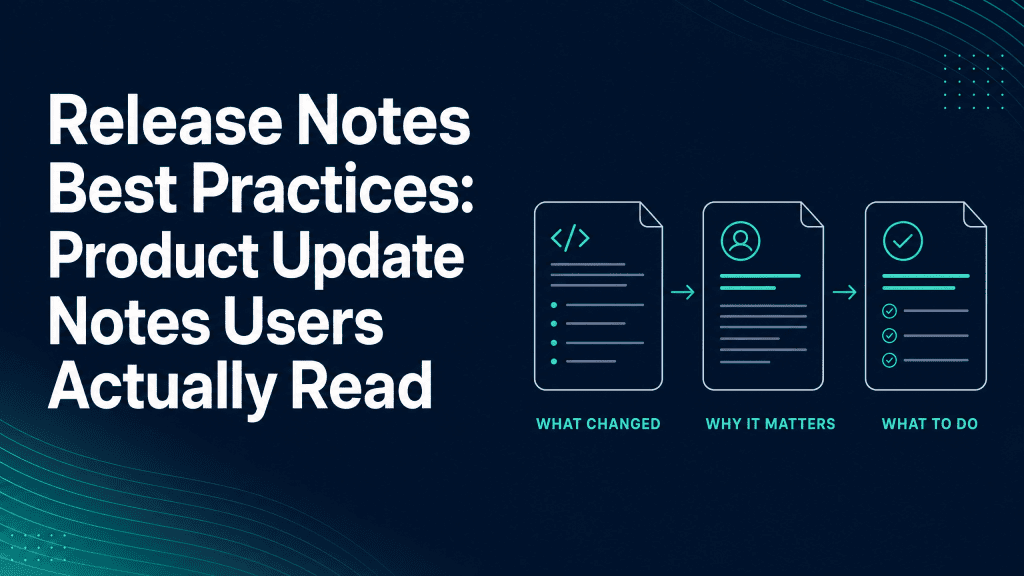
Release Notes Best Practices: Product Update Notes Users Actually Read
Semantic Summary Idea: A useful product update note tells the right user what changed, why it matters to their work, and what to do next. Challenge: Many release notes list tickets, technical jargon, and generic fixes without helping customers decide whether a change affects them. Summary: Keep one accurate technical record, then create a clear […]
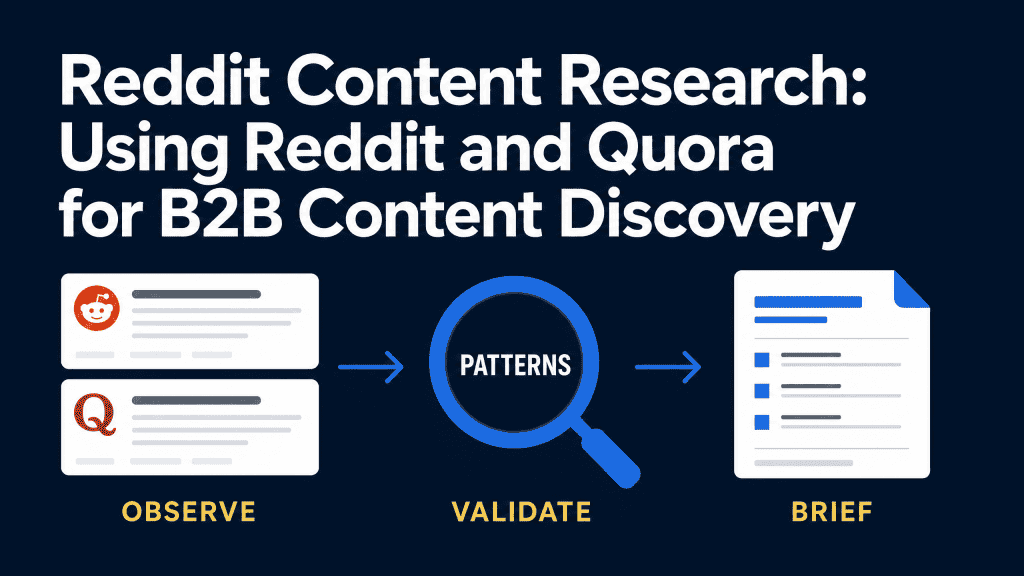
Reddit Content Research: Using Reddit and Quora for B2B Content Discovery
Semantic Summary Idea: Reddit and Quora can reveal the questions, objections, workarounds, and language buyers use before they contact a vendor. Used well, these conversations can make a B2B content brief more specific and more useful. Challenge: A popular post is not proof of market demand. Teams can also lose trust if they treat communities […]