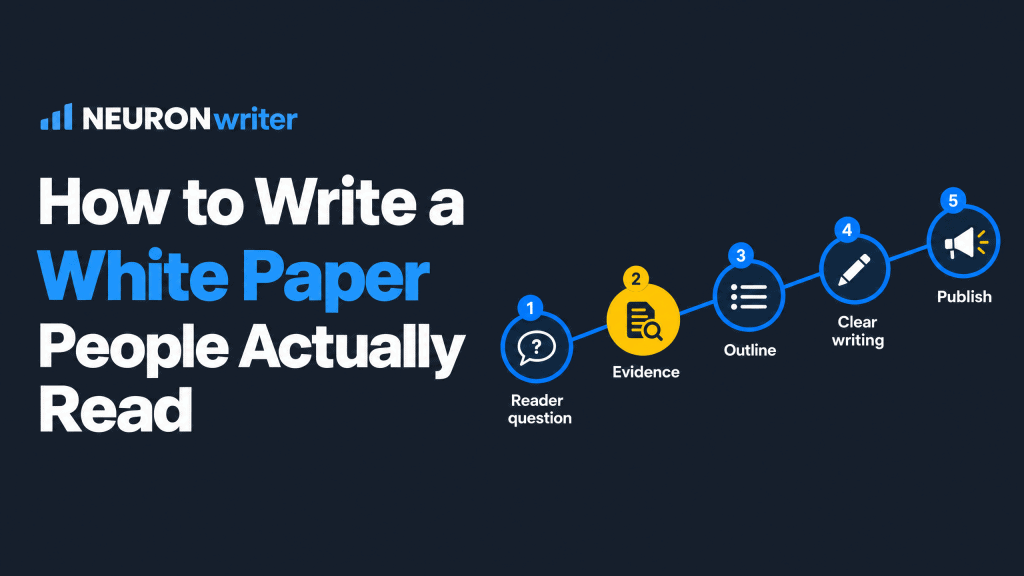
Semantic Summary Idea: A useful white paper helps a defined audience understand a specific issue and make a better-informed decision. Challenge: Many white papers lose readers because they are too broad, weakly evidenced, difficult to scan, or written like sales brochures. Summary: Choose a focused question, research it carefully, build a logical argument, edit for […]
How to Write a Blog Introduction That Keeps People Reading (With Examples)
To write a good blog introduction, open with a hook that speaks to your audience’s problem, give the direct answer or main point right away, then tell readers what they’ll get from the rest of the post. Keep it short: 50-150 words is enough for most posts. Below you’ll find a 4-part formula, 7 ways […]
How to Write Product Descriptions That Sell and Rank (Template + Examples)
To write a product description that sells and ranks, start with who the product is for and the main benefit, then back it up with the key features, specifications and proof such as customer reviews. Keep it easy to scan with short paragraphs and bullet points, use the words your customers search for, and write […]
How to Write Title Tags for SEO: Best Practices, Length and Examples
To write a good title tag, describe the page’s main topic in a unique, concise way, put the main keyword near the beginning, add a clear reason to click, and end with your brand if there’s room. Aim for roughly 50-60 characters so searchers see all of it in the results, and every page needs […]
How to Create a Content Style Guide for Your Team (Free Template)
A content style guide is a short, shared document that tells everyone who writes for your brand how to sound and what rules to follow: voice and tone, grammar and spelling choices, formatting, word list, SEO rules and, in 2026, how to use AI. To create one, audit your best content, define your voice, pick […]
How to Write Meta Descriptions That Get Clicks
To write a meta description that gets clicks, summarize the page in one or two sentences, put the main keyword and the benefit up front, keep it under about 155 characters so it isn’t cut off, make it unique to the page, and end with a reason to click. Google often writes its own snippet […]
Best Keyword Cupid Alternatives in 2026 (Free and Paid)
The best Keyword Cupid alternatives in 2026 are Keyword Insights for SERP-based clustering with briefs and writing, Contadu for keyword clustering that flows into a content plan and AI-assisted writing, Keywords People Use for a free start (150 keywords), and KeyClusters for pay-as-you-go credits that never expire. If you already pay for Semrush or SE […]
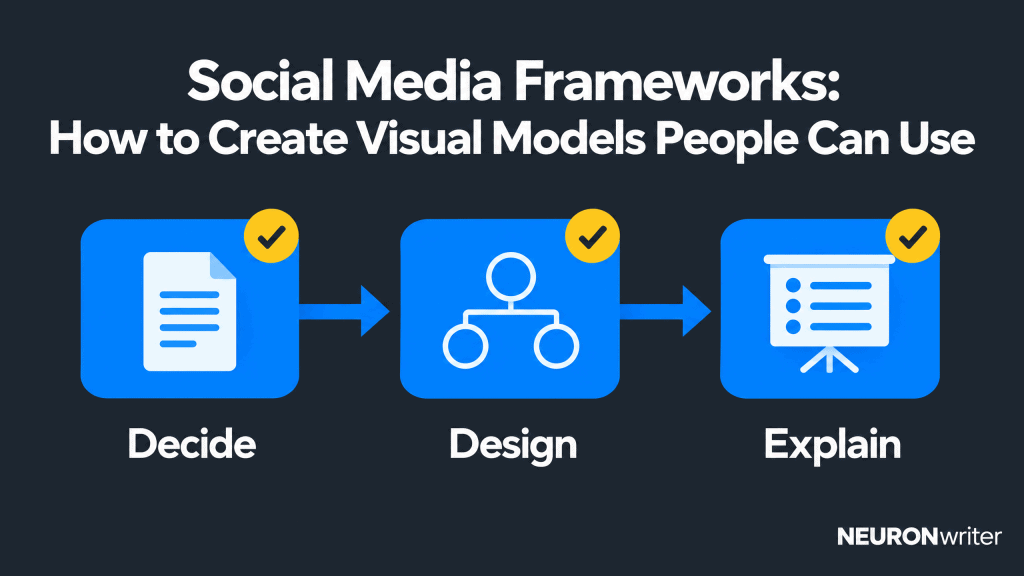
Social Media Frameworks: How to Create Visual Models People Can Use
Semantic Summary Idea: A social media framework turns one useful idea into a simple visual model that helps a reader understand a decision, process, comparison, or relationship quickly. Challenge: Teams often turn every topic into a busy graphic, a generic diagram, or a recycled template that looks consistent but gives the reader no clear next […]
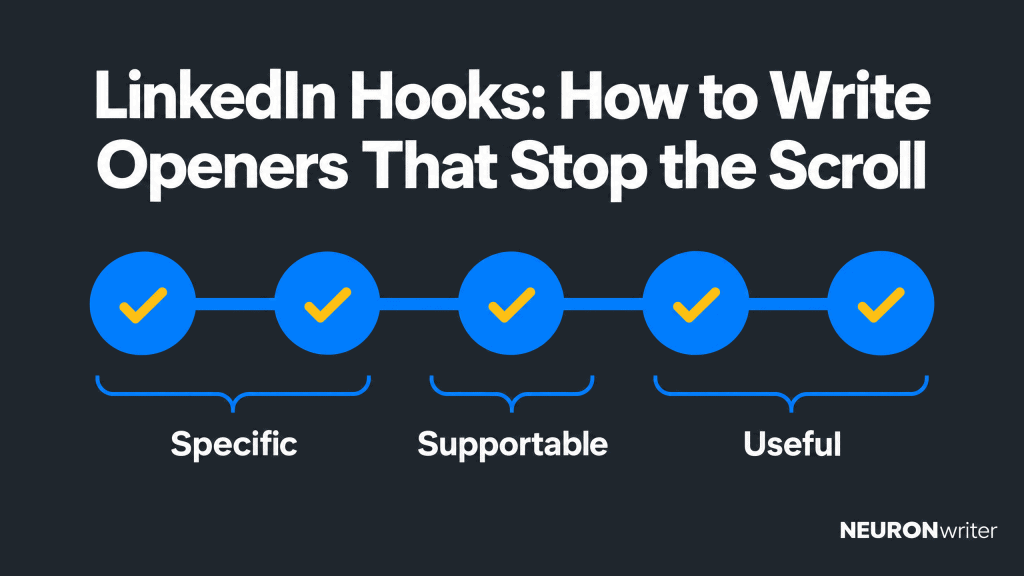
LinkedIn Hooks: How to Write Openers That Stop the Scroll
Semantic Summary Idea: A useful LinkedIn hook gives the right reader a specific reason to continue, then delivers on that promise in the post. Challenge: Generic curiosity lines, inflated results, copied formats, and requests for likes may win a brief glance but weaken credibility and professional conversation. Summary: Start with a real tension, a precise […]
Case Study Page Best Practices: A Format Playbook
Semantic Summary Idea: A case study page is one of the few content formats a prospect reads when they’re already close to a decision, which means it carries more weight per word than almost anything else on a B2B website. Challenge: most case studies read like a press release vague praise, a logo, a single […]