To choose a content brief tool, test it on your own keywords against 12 criteria: fresh SERP data, the languages and locations you need, term and entity suggestions, outlines based on top-ranking pages, question research, search intent, GEO fields for AI search, editable templates, writer handoff, integrations, a pricing model that fits your volume, and […]
GEO Content Brief vs SEO Brief: What to Add for AI Search (Free Template)
A GEO content brief is an SEO brief extended for AI search: besides the keyword, intent and outline, it lists the questions the page must answer, the direct answer for each one, the entities to cover, the evidence to include, and which passages you want AI systems like ChatGPT, Perplexity and Google AI Overviews to […]
What Content Formats Work Best for GEO? 8 Formats AI Search Cites (with Examples)
The content formats that work best for GEO (generative engine optimization) are the ones AI search engines can lift as a complete answer: direct definitions, step-by-step how-to guides, comparison tables, ranked lists, FAQ sections, original data and statistics, glossaries, and expert quotes. What they share is structure: one question per section, the answer first, and […]
GDPR and Content: What Marketing Teams Actually Need to Know
Semantic Summary Idea: GDPR shapes far more of a content marketing workflow than most teams realize not just email marketing, but every gated ebook, every cookie-driven analytics dashboard, and every form collecting a name and email address. Challenge: content teams often treat GDPR as legal’s problem, then discover mid-campaign that a lead magnet, a newsletter […]
Case Study Page Best Practices: A Format Playbook
Semantic Summary Idea: A case study page is one of the few content formats a prospect reads when they’re already close to a decision, which means it carries more weight per word than almost anything else on a B2B website. Challenge: most case studies read like a press release vague praise, a logo, a single […]
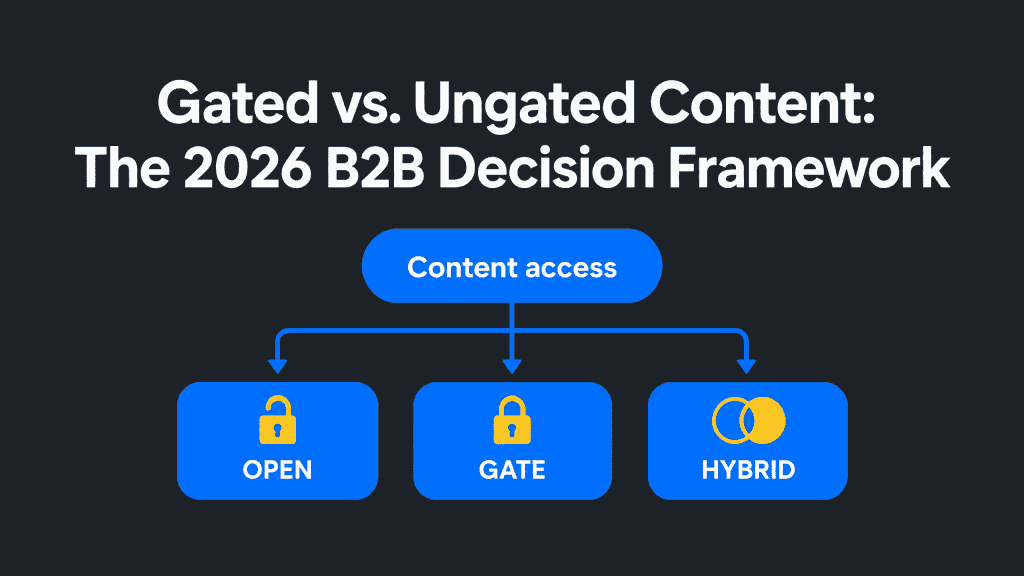
Gated vs. Ungated Content: The 2026 B2B Decision Framework
Semantic Summary Idea: Access rules should match the value of an asset and the decision a reader is trying to make, not a blanket lead-capture target. Challenge: A form can create a measurable download while reducing reach, trust, sharing, and the chance that useful content is discovered. Summary: Use a clear access decision, show enough […]
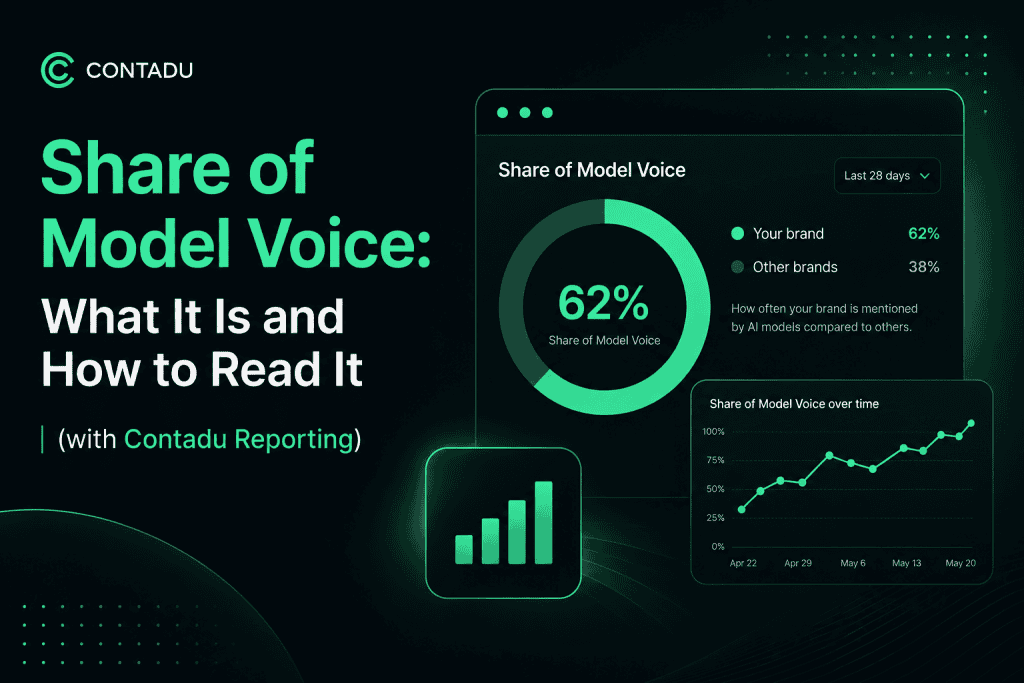
Share of Model Voice: What It Is and How to Read It (with Contadu Reporting)
Semantic Summary Idea: Share of Model Voice (also written as AI Share of Voice or AI SOV) is a brand visibility metric that measures how often an AI model mentions your brand versus competitors when it answers a category-relevant question. Challenge: most teams still report on pageviews and keyword rank, which say nothing about whether […]
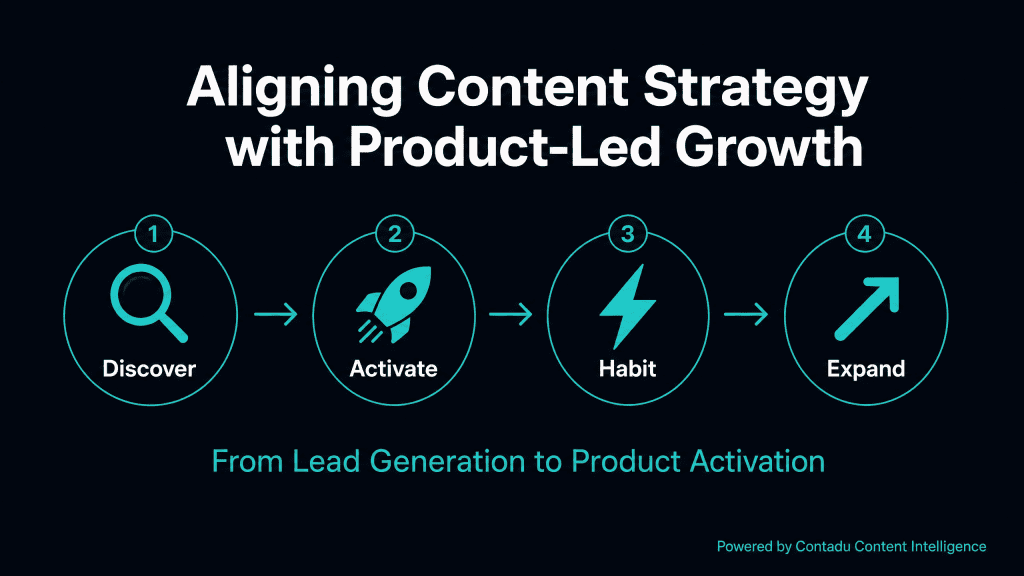
Aligning Content Strategy with Product-Led Growth (PLG)
Semantic Summary The Idea: Product-Led Growth (PLG) and Content Marketing are often treated as separate silos. PLG focuses on the product as the primary driver of acquisition, while Content Marketing focuses on top-of-funnel traffic. In 2026, the most successful B2B SaaS companies merge the two: content becomes an extension of the product, and the product […]
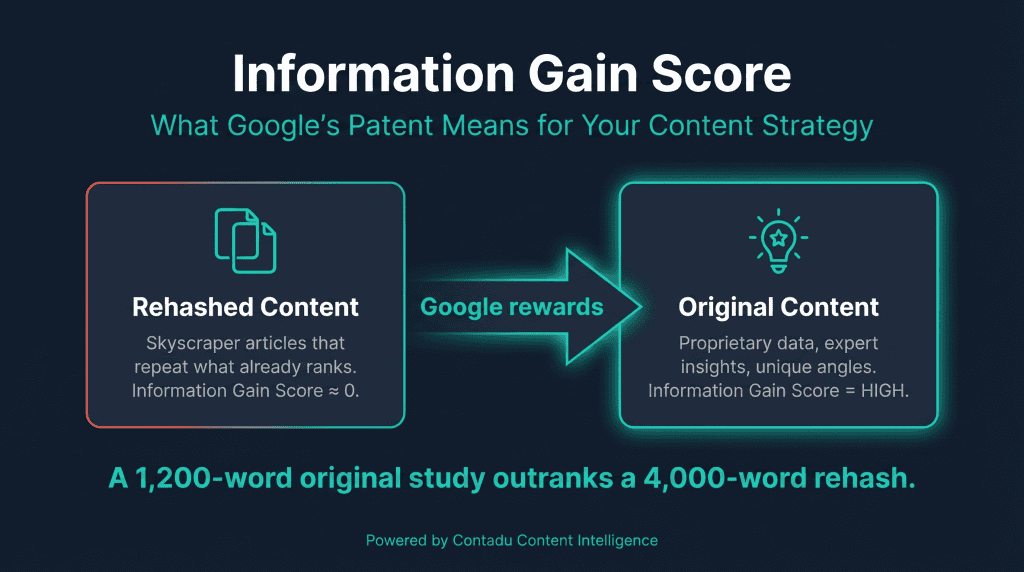
Information Gain Score: What Google’s Patent Means for Your Content Strategy.
For years, the dominant SEO strategy was simple: find what ranks, do more of it, and make it longer. That era is over. Google’s patent on “Information Gain Score” signals a fundamental shift in how search algorithms evaluate and reward content. We are moving away from rewarding comprehensive content (which often just means longer listicles […]
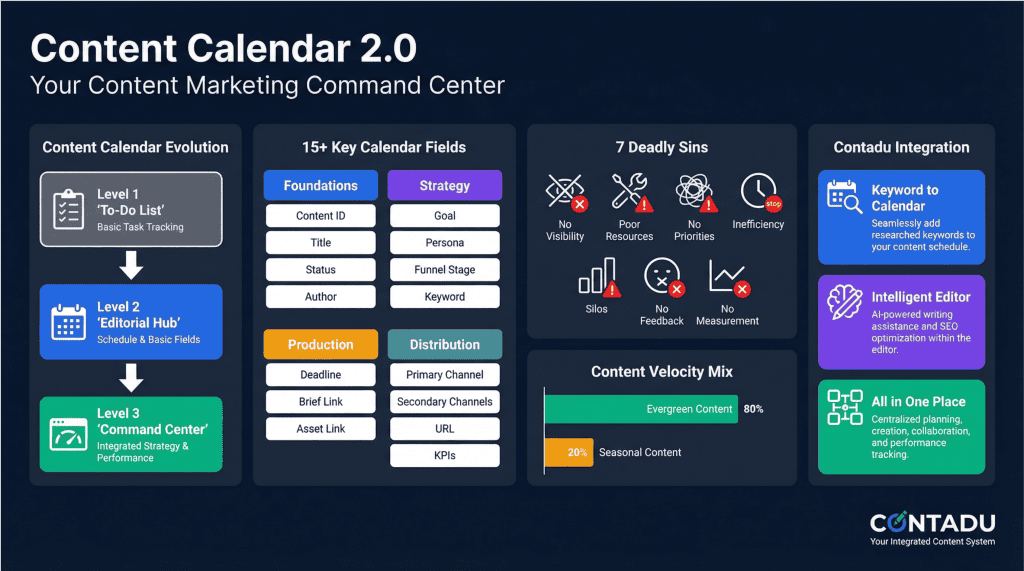
Content Calendar 2.0: Your Content Marketing Command Center.
Does your content marketing feel like putting out fires? Do you publish whenever you have time, choose topics based on gut feelings, and only think about consistency and strategy once a quarter? If so, this guide is for you. We’ll show you how to transform a simple list of topics into a strategic command center […]