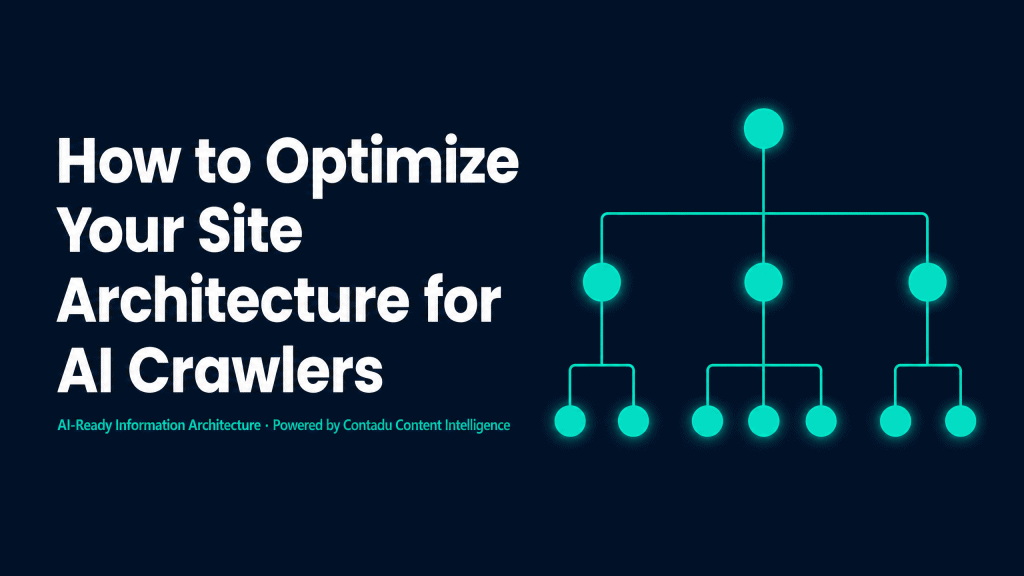
Semantic summary Idea: AI crawlers like ChatGPT’s OAI-SearchBot and Anthropic’s ClaudeBot operate under strict resource constraints. They prioritize flat, entity-rich architectures over deep hierarchies, and will abandon crawls of sites that bury their content more than three clicks from the homepage. Optimizing your site architecture for AI crawlers is now a prerequisite for LLM visibility. […]
Entity Salience: How Google Measures Your Brand’s Importance.
📍 Semantic Summary Idea: Just mentioning a keyword on a page is no longer enough. Search engines calculate Entity Salience a score that determines how central an entity is to the overall meaning of a text. Challenge: Writers often “sprinkle” target keywords throughout an article without making them the focal point. This results in a […]
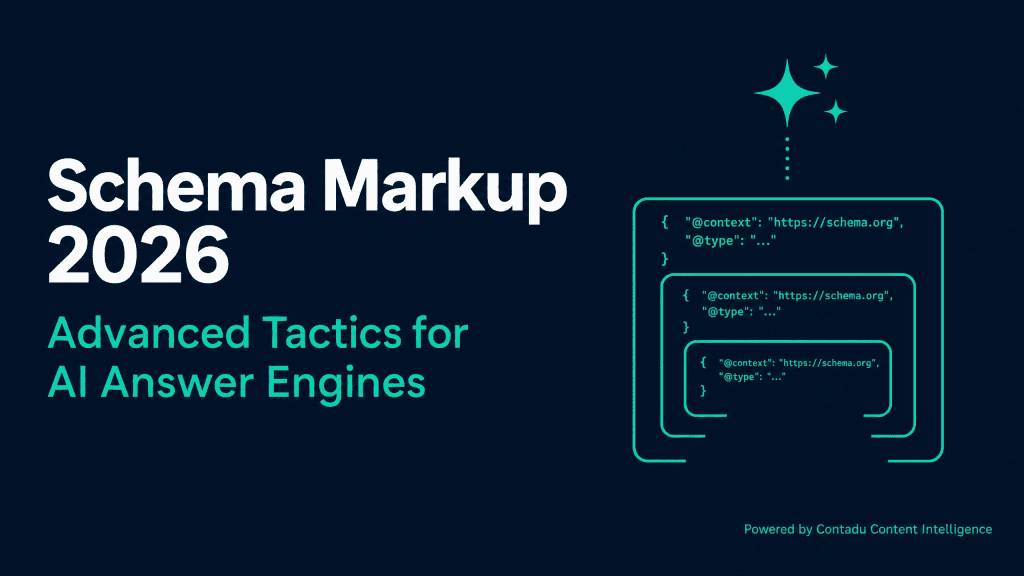
Schema Markup 2026: Advanced Tactics for AI Answer Engines.
📍 Semantic Summary Idea: Basic Article and Organization schema are no longer competitive advantages; they are the bare minimum. In 2026, dominating AI answer engines like ChatGPT and Google’s AI Overviews requires advanced Schema markup that nests entities and explicitly defines relationships. Challenge: Most websites rely on automated plugins that generate flat, disconnected structured data. […]
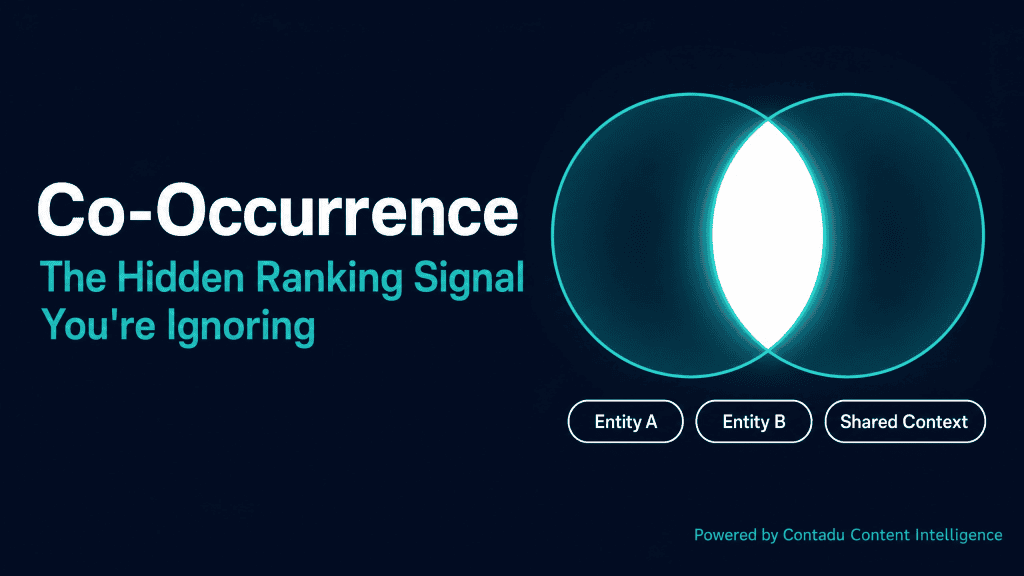
Co-Occurrence: The Hidden Ranking Signal You’re Ignoring.
📍Semantic Summary Idea: In 2026, search engines do not just count how many times you use a target keyword; they analyze the surrounding vocabulary. Co-occurrence is the presence of related entities, terms, and concepts that naturally appear together in authoritative content. Challenge: Writers relying on outdated SEO checklists often stuff primary keywords while ignoring […]
Entity-First SEO: Why Keywords Are Dead in 2026.
📍 Semantic Summary Idea: The era of optimizing content for exact-match keywords is over. In 2026, Google and AI answer engines rely on an entity-first SEO approach, prioritizing semantic relationships and Knowledge Graphs over traditional keyword density. Challenge: Many content marketers are still stuck in the “strings” mindset, building content around search volume rather than […]
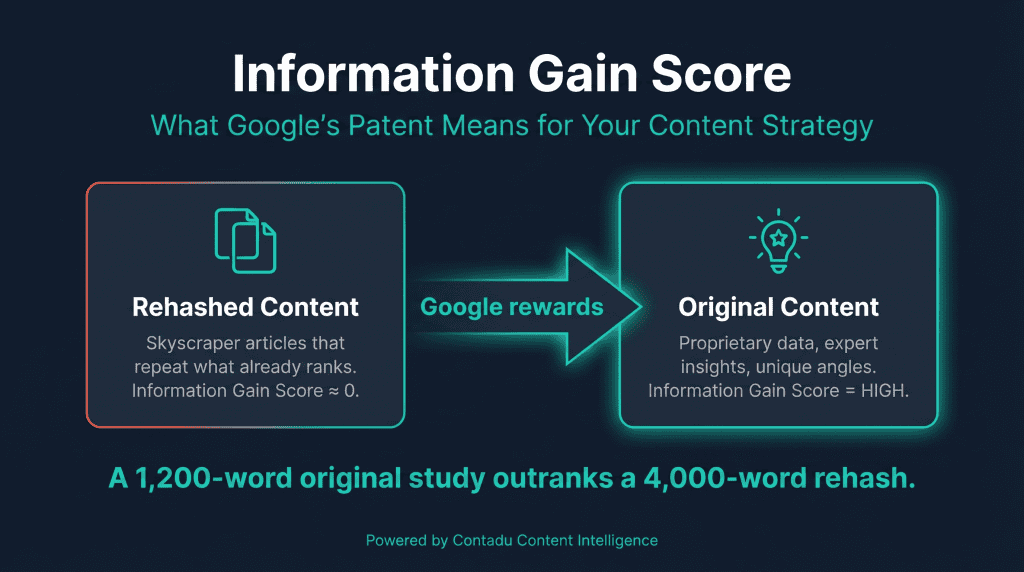
Information Gain Score: What Google’s Patent Means for Your Content Strategy.
For years, the dominant SEO strategy was simple: find what ranks, do more of it, and make it longer. That era is over. Google’s patent on “Information Gain Score” signals a fundamental shift in how search algorithms evaluate and reward content. We are moving away from rewarding comprehensive content (which often just means longer listicles […]