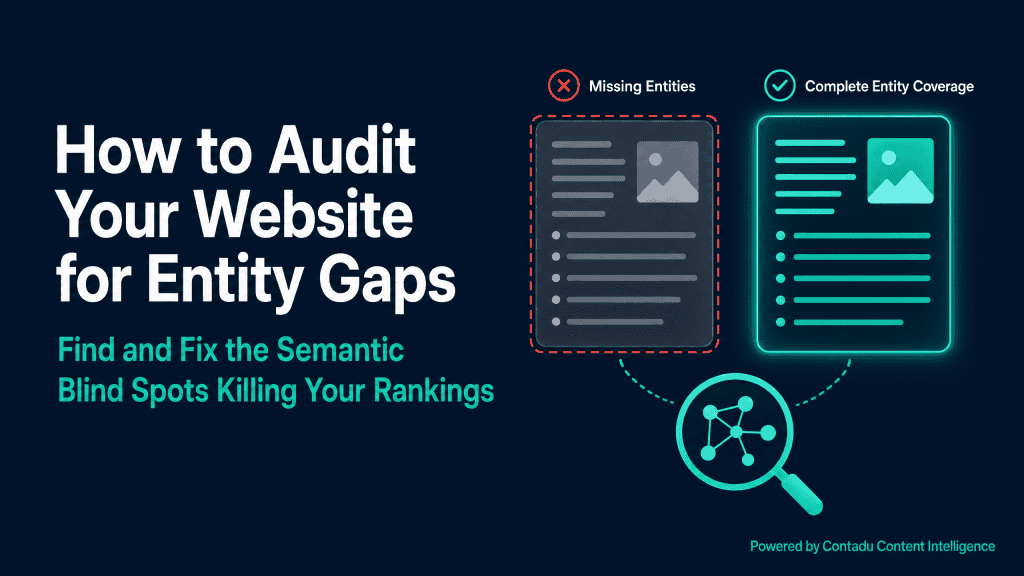
📍 Semantic Summary Idea: Traditional keyword gap analysis is obsolete. To dominate modern search, you must perform an entity gap audit to identify missing semantic nodes in your content. Challenge: Competitors are ranking higher not because they use better keywords, but because their Knowledge Graphs are more complete, covering entities that your website completely ignores. […]
The Local Entity Method: Dominating Regional B2B Search.
📍 Semantic Summary Idea: Local SEO is no longer just about Google Business Profiles and “near me” keywords. For B2B companies, regional dominance requires establishing your brand as a central Local Entity within a specific geographic Knowledge Graph. Challenge: B2B SaaS and service companies often struggle to rank in specific cities or regions because they […]
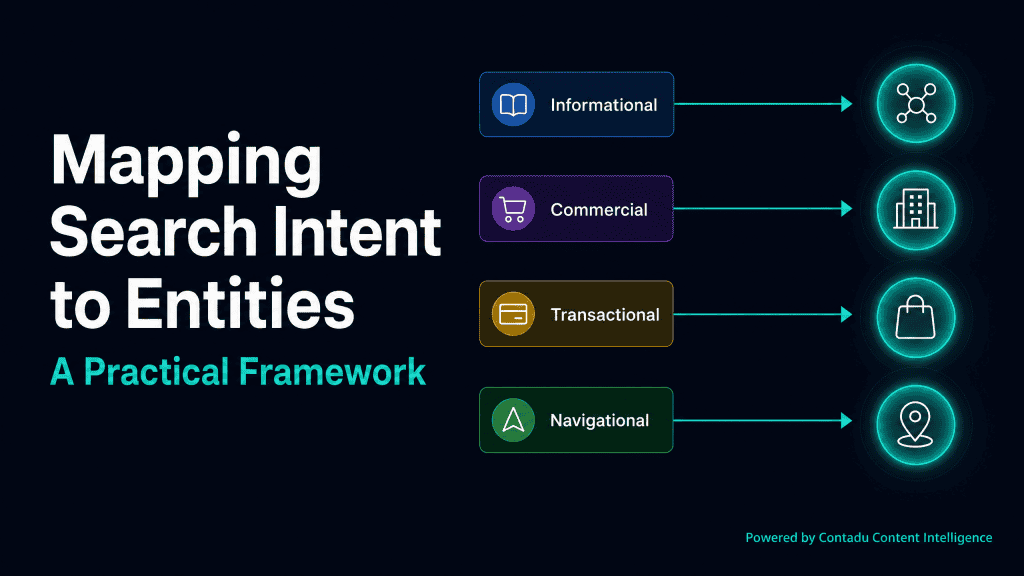
Mapping Search Intent to Entities: A Practical Framework.
📍 Semantic Summary Idea: Traditional keyword research maps search intent to isolated strings. In 2026, successful Semantic SEO requires mapping search intent directly to specific entities within a Knowledge Graph. Challenge: Content creators often guess what users want based on keyword modifiers (like “best” or “how to”), leading to shallow content that fails to satisfy […]
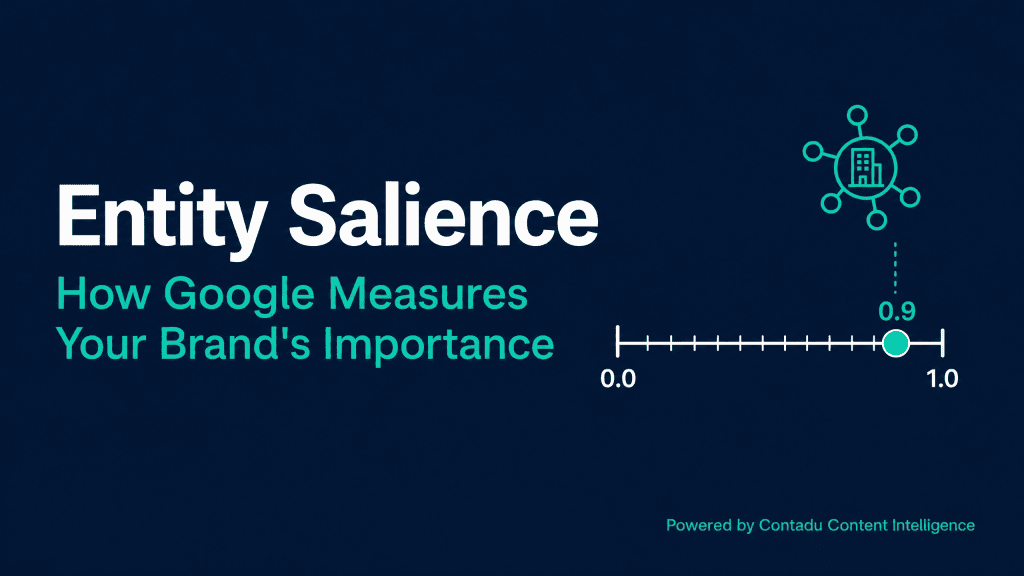
Entity Salience: How Google Measures Your Brand’s Importance.
📍 Semantic Summary Idea: Just mentioning a keyword on a page is no longer enough. Search engines calculate Entity Salience a score that determines how central an entity is to the overall meaning of a text. Challenge: Writers often “sprinkle” target keywords throughout an article without making them the focal point. This results in a […]
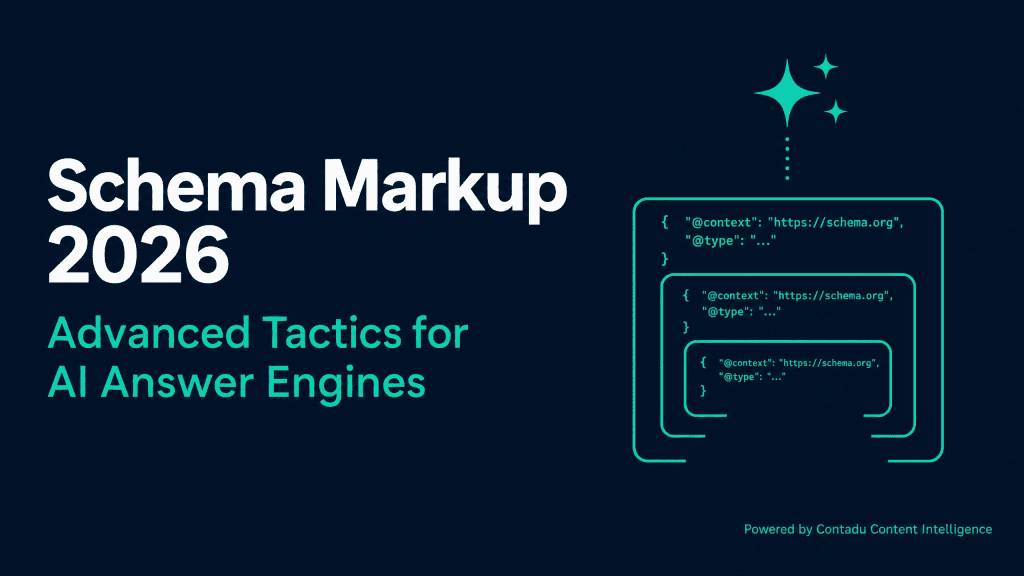
Schema Markup 2026: Advanced Tactics for AI Answer Engines.
📍 Semantic Summary Idea: Basic Article and Organization schema are no longer competitive advantages; they are the bare minimum. In 2026, dominating AI answer engines like ChatGPT and Google’s AI Overviews requires advanced Schema markup that nests entities and explicitly defines relationships. Challenge: Most websites rely on automated plugins that generate flat, disconnected structured data. […]
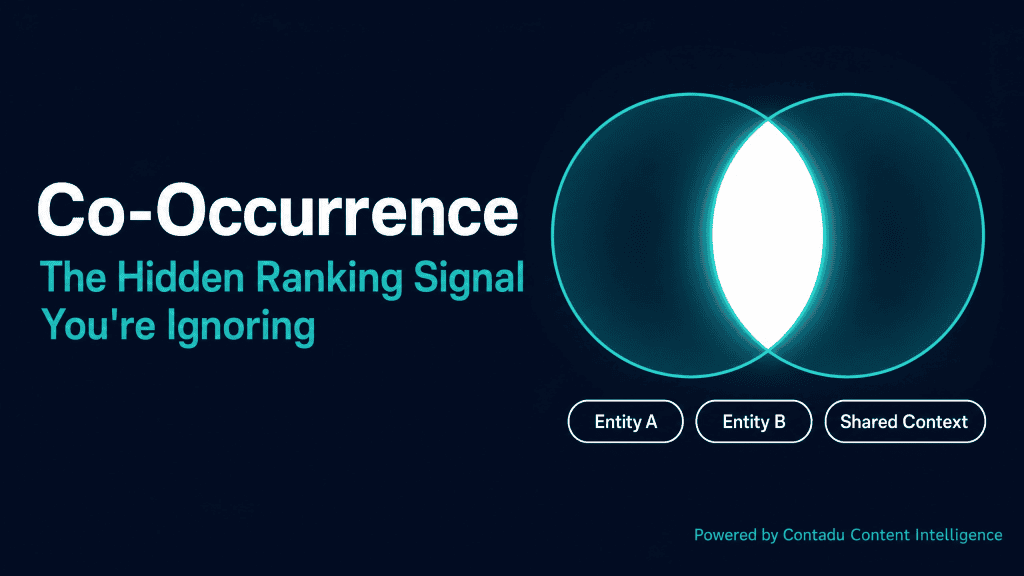
Co-Occurrence: The Hidden Ranking Signal You’re Ignoring.
📍Semantic Summary Idea: In 2026, search engines do not just count how many times you use a target keyword; they analyze the surrounding vocabulary. Co-occurrence is the presence of related entities, terms, and concepts that naturally appear together in authoritative content. Challenge: Writers relying on outdated SEO checklists often stuff primary keywords while ignoring […]
How to Build a Custom Knowledge Graph for Your B2B Brand.
📍 Semantic Summary Idea: You don’t need to wait for Google to figure out who you are. By building a custom Knowledge Graph on your own website using Schema markup and interconnected content, you can explicitly define your brand entity, your products, and your expertise to AI search engines. Challenge: Most B2B websites are structured […]
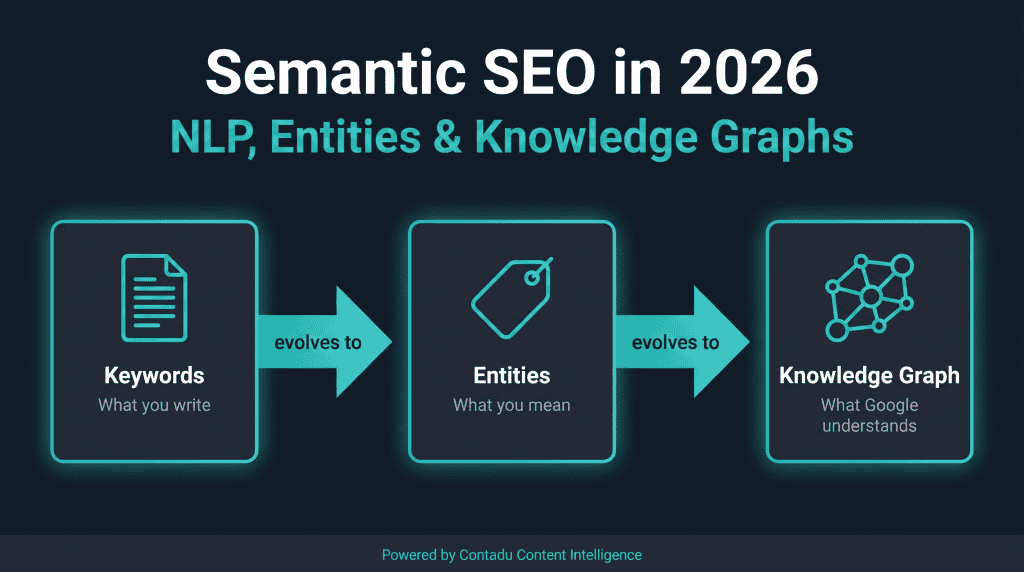
Semantic SEO in 2026: NLP, Entities, and Knowledge Graphs
For over two decades, SEO was a game of strings. You researched a string of characters (a keyword), placed it strategically in your title tags and headers, and hoped Google matched your string to a user’s search string. In 2026, that game is officially over. We have moved from strings to things. Modern search engines […]
Generative Engine Optimization (GEO) for E-commerce: How to Sell When AI Answers First
Imagine a potential customer opening Google and typing: “What is the best running shoe for wide feet under $150?” Two years ago, this query would return a page of ten blue links. The customer would click the top result likely a publisher’s affiliate blog or a well-optimized category page on your e-commerce store and begin […]
Keyword Research in 2026: Beyond Search Volume
For years, keyword research was a simple numbers game. You opened a tool, typed in a seed term, sorted the results by highest search volume and lowest keyword difficulty, and exported a spreadsheet. You handed that list to a writer, who then stuffed those exact phrases into a 1,000-word article. In 2026, that approach is […]