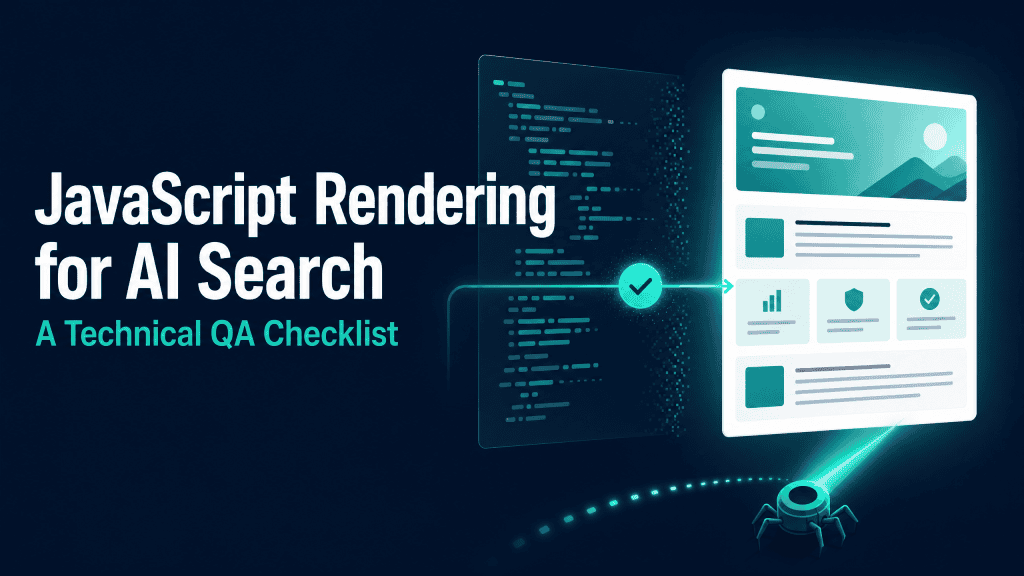
Semantic Summary The Idea: JavaScript rendering is an AI search QA problem when essential content, links, metadata, or structured data exist only after client-side execution. Google documents robust JavaScript rendering capabilities, but no equivalent universal rendering contract exists for every AI crawler. The Challenge: A page can look complete in a Chrome browser yet expose […]
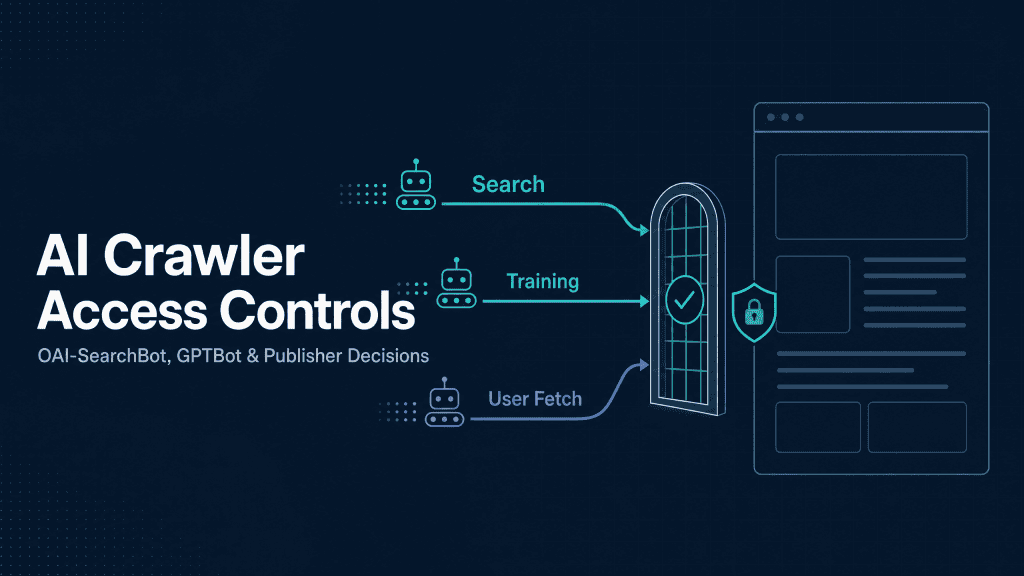
AI Crawler Access Controls: OAI-SearchBot, GPTBot, and Publisher Decisions
Semantic Summary The Idea: AI crawler access is not one decision. OpenAI documents separate roles for OAI-SearchBot, GPTBot, and ChatGPT-User. A publisher can allow automated discovery for ChatGPT search while separately expressing a preference against model-training use. The Challenge: Broad robots.txt rules, CDN or WAF settings, and stale plugin configurations often treat every AI bot […]
Log File Analysis for AI Bot Crawl Budget: A Practical Guide for SEO Teams
Idea: AI bot log file analysis turns raw server requests into evidence. It can show which crawlers requested which URLs, when they arrived, and whether the website returned a usable response. Challenge: A bot user-agent is not proof of a citation, an indexed page, model training, or business value. Teams can also miss requests that […]
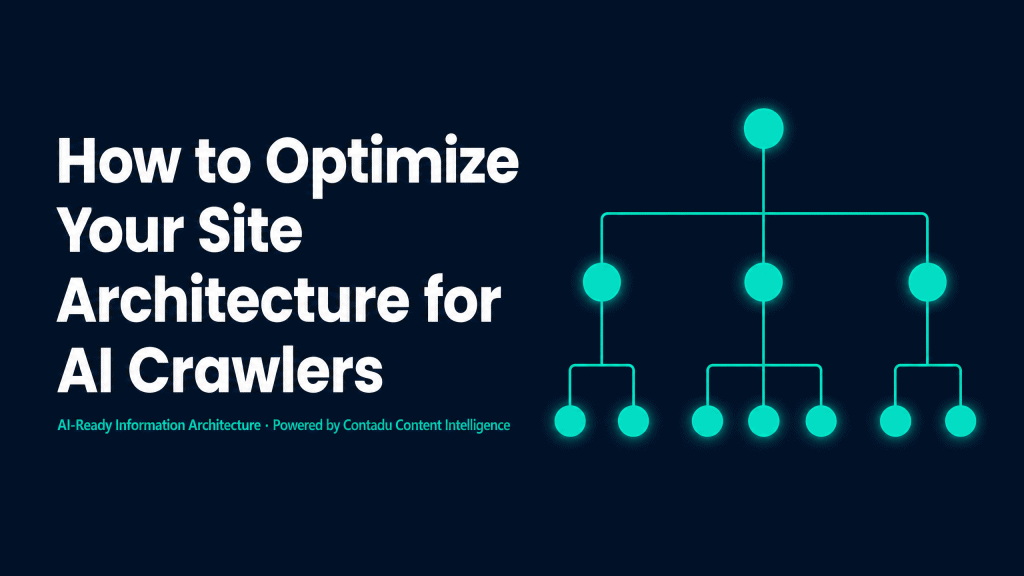
How to Optimize Your Site Architecture for AI Crawlers · Contadu
Semantic summary Idea: AI crawlers like ChatGPT’s OAI-SearchBot and Anthropic’s ClaudeBot operate under strict resource constraints. They prioritize flat, entity-rich architectures over deep hierarchies, and will abandon crawls of sites that bury their content more than three clicks from the homepage. Optimizing your site architecture for AI crawlers is now a prerequisite for LLM visibility. […]