Keyword mapping is the process of assigning each group of related keywords to one page on your site, so every page has a clear target and no two pages compete for the same search. A keyword map is a simple table: one row per URL, with its primary keyword, secondary keywords, search intent and the […]
Best Keyword Insights Alternatives in 2026
The best Keyword Insights alternatives in 2026 are Keyword Cupid for like-for-like SERP-based clustering, Contadu if you want keyword clustering, content planning and writing in one workflow, Keywords People Use for the cheapest entry (150 keywords free), and KeyClusters if you prefer pay-as-you-go credits. Semrush and SE Ranking users can often use the keyword grouping […]
SERP-Overlap vs Semantic Keyword Clustering: Which Method Should You Use?
Use SERP-overlap clustering when you need to know which keywords Google already treats as one search intent, and semantic keyword clustering when you need speed, scale or coverage of new topics with little SERP data. Most teams get the best result by combining them: semantic clustering to group a raw keyword list fast, then a […]
Best Keyword Clustering Tools in 2026 (Free & Paid), Compared
The best keyword clustering tool depends on what you need: Keyword Insights for the most accurate SERP-based clusters, Keyword Cupid for visual site architecture, Keywords People Use or Contadu Keywords Grouper for free clustering, and Contadu Content Strategy if you want to go from keyword clusters to a content plan and finished pages in one […]
Keyword Clustering: The Complete Guide (SERP-Based vs Semantic vs NLP)
Keyword clustering is the process of grouping related keywords that share the same search intent, so one page can target the whole group instead of one keyword per page. It pays off as soon as your keyword list grows past a few dozen terms: you publish fewer, stronger pages, avoid keyword cannibalization and build the […]
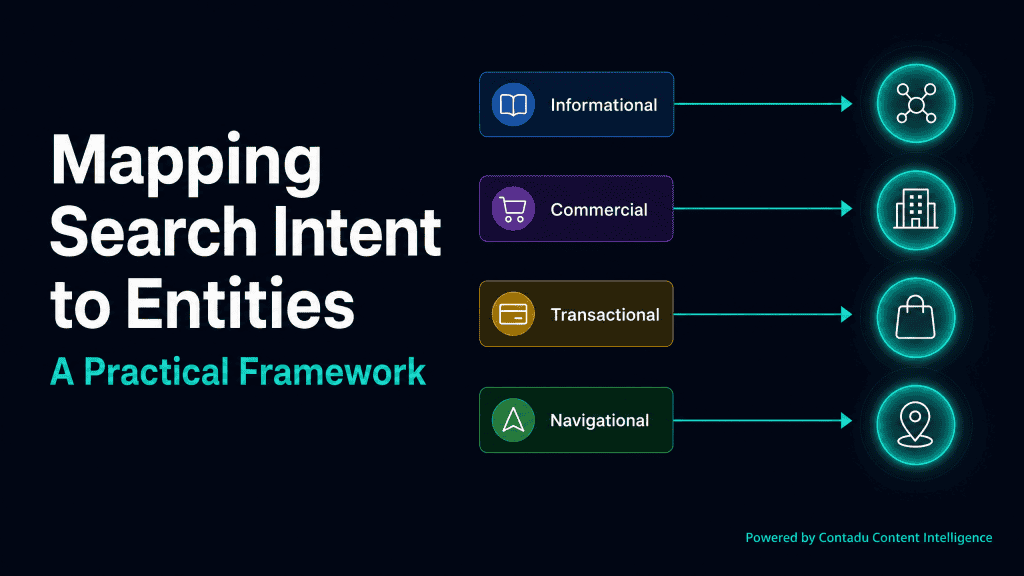
Mapping Search Intent to Entities: A Practical Framework.
📍 Semantic Summary Idea: Traditional keyword research maps search intent to isolated strings. In 2026, successful Semantic SEO requires mapping search intent directly to specific entities within a Knowledge Graph. Challenge: Content creators often guess what users want based on keyword modifiers (like “best” or “how to”), leading to shallow content that fails to satisfy […]
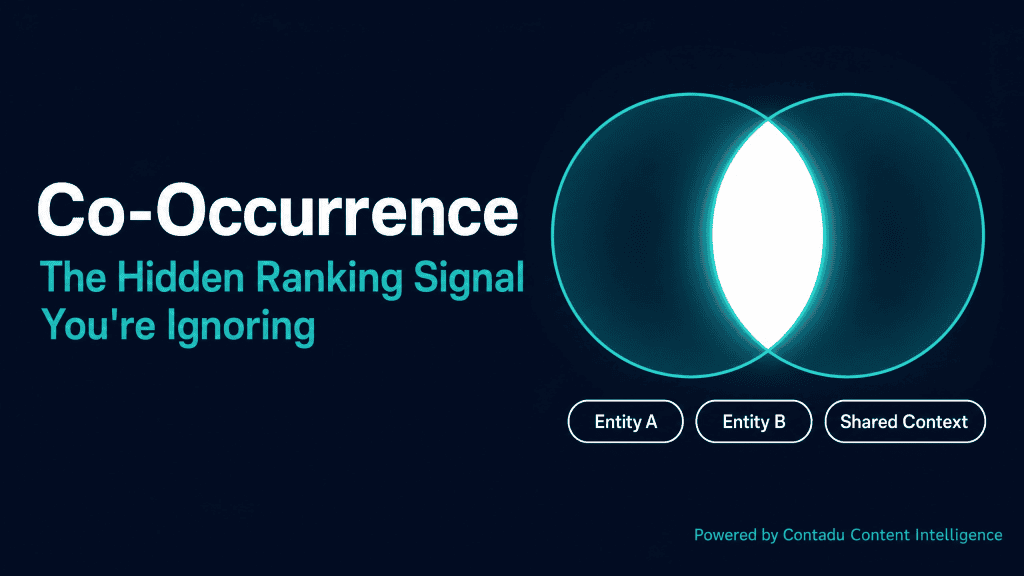
Co-Occurrence: The Hidden Ranking Signal You’re Ignoring.
📍Semantic Summary Idea: In 2026, search engines do not just count how many times you use a target keyword; they analyze the surrounding vocabulary. Co-occurrence is the presence of related entities, terms, and concepts that naturally appear together in authoritative content. Challenge: Writers relying on outdated SEO checklists often stuff primary keywords while ignoring […]
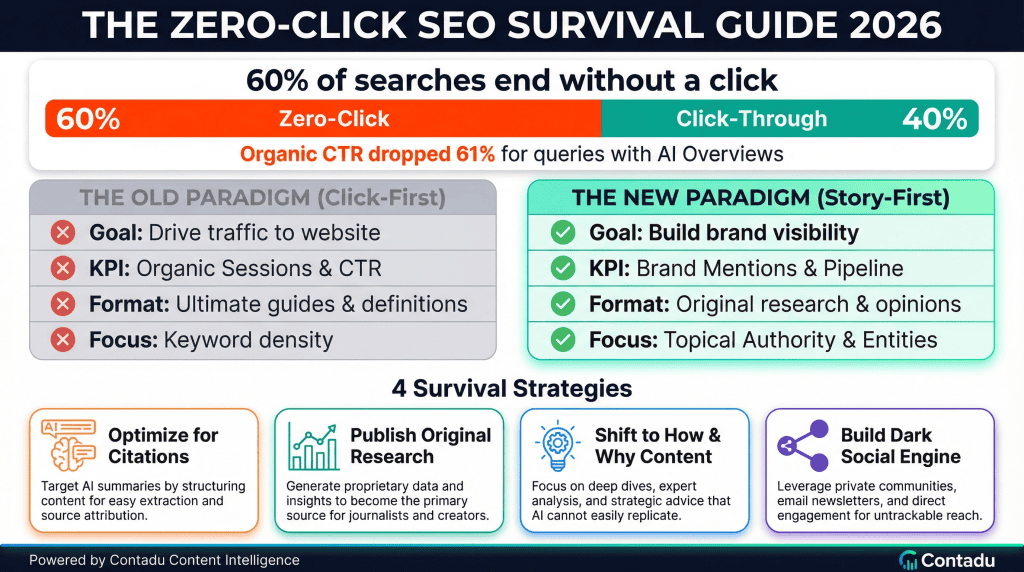
The Zero-Click SEO Survival Guide for Q3 2026: Advanced Tactics & Measurement.
In January 2026, we discussed how the phenomenon of “zero-click searches” was changing the fundamental nature of online visibility. Fast forward to Q3 2026, and the situation has accelerated from a trend to an undeniable reality. Recent industry data paints a stark picture: organic Click-Through Rates (CTR) have plummeted by over 61% for informational queries […]
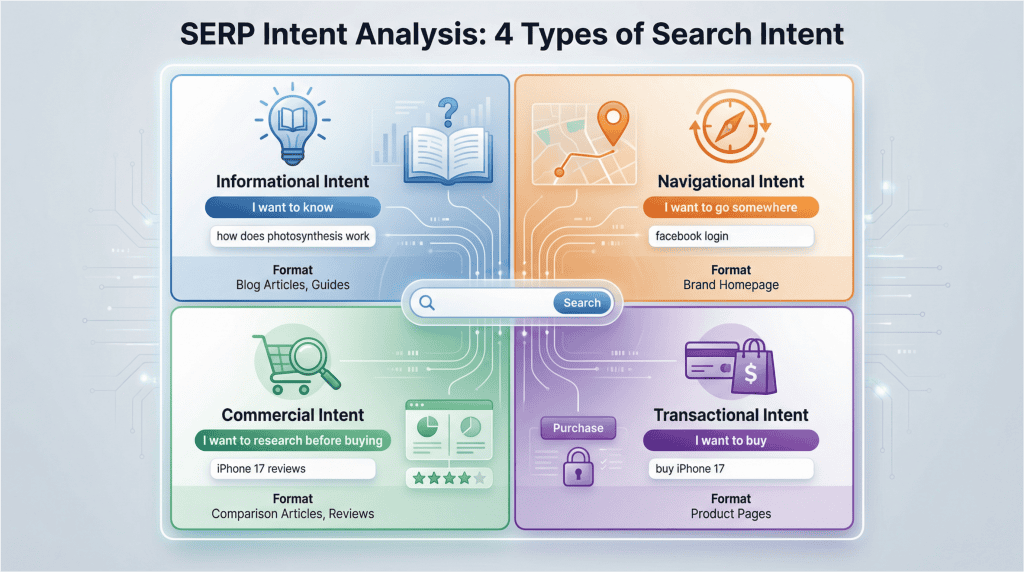
SERP Intent Analysis: How to Decode What Google Really Wants
The key to winning at SEO in 2026 is not what you think users want to find, but what Google already knows they want to find. For years, content creators operated in a vacuum. They found a keyword, decided they wanted to write a 2,000-word blog post about it, and hit publish. If it didn’t […]